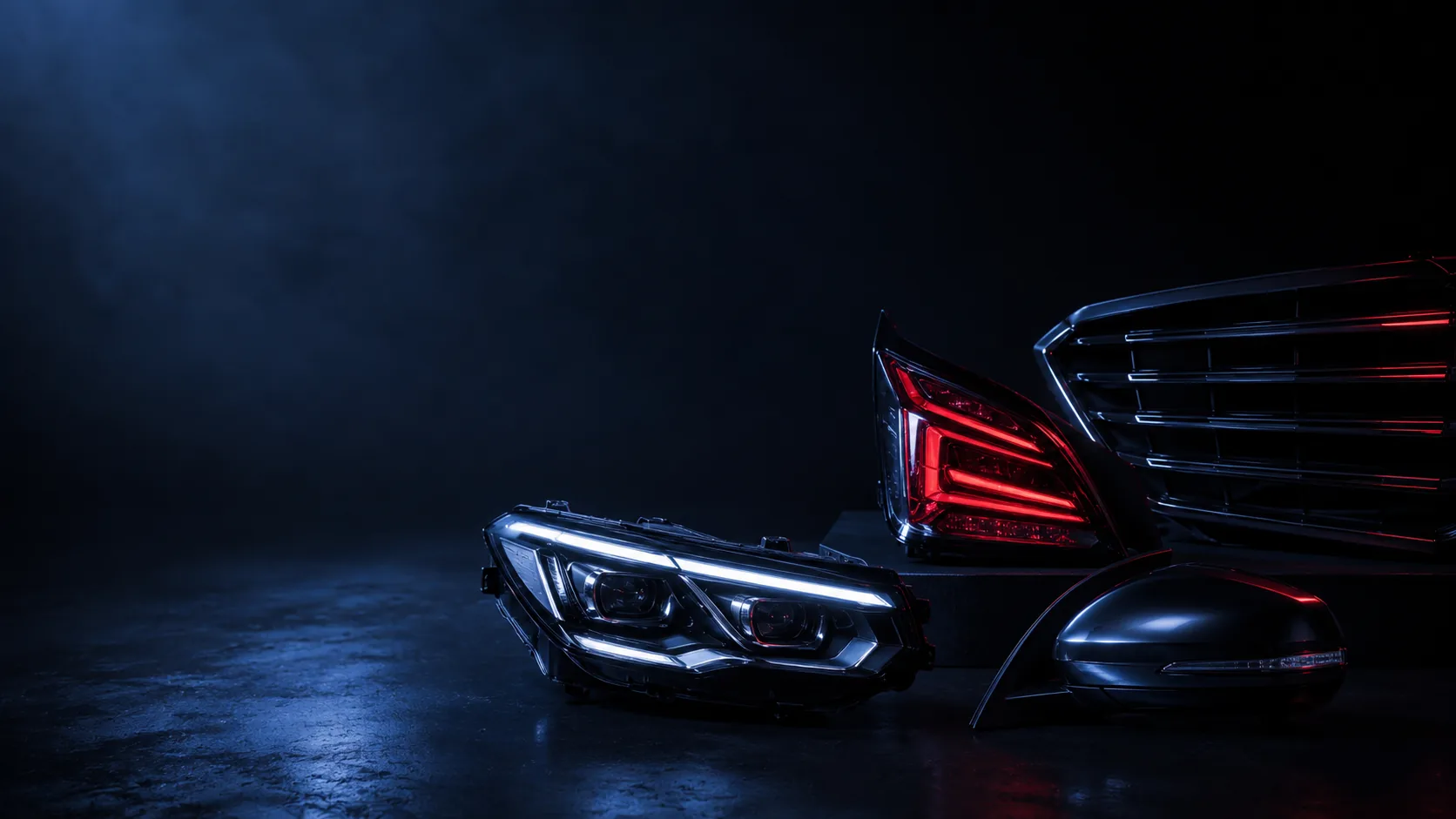
The Rise of Hybrid Sourcing
With global fuel prices fluctuating and cities introducing stringent emission standards, hybrid electric vehicles (HEVs) have transitioned from niche technology to mainstream automotive dominators. Leading this global green transition is the iconic Toyota Prius. Across Southeast Asia, Europe, North America, the Middle East, and Latin America, the Prius is widely utilized as the primary vehicle for high-mileage taxi fleets, ride-sharing operations, and daily commuters.
For auto parts importers, distributors, and wholesalers, this massive global active fleet creates a highly lucrative aftermarket category. However, sourcing components for HEVs presents unique challenges that traditional parts distributors often overlook. Succeeding in this segment requires finding a highly specialized hybrid vehicle parts supplier capable of delivering precise, engineering-compliant Toyota Prius parts wholesale. This guide outlines the essential technical knowledge and supply chain strategies needed to dominate this high-growth sector.
The Uniqueness and Specialty of Hybrid Vehicle Parts
Hybrid vehicles are not simply conventional internal combustion engine (ICE) cars with a battery added; they represent a fundamental departure in automotive design. This advanced architecture impacts how parts are engineered, manufactured, and matched:
1. Complex Dual-Cooling Architectures
Hybrids operate with two independent cooling loops: one for the internal combustion engine and another dedicated to the high-voltage inverter and electric motor assembly. Components like inverter water pumps must maintain precise electrical flow rates and withstand higher thermal stresses compared to standard engine pumps. Aftermarket versions that fail to match these exact specifications can cause the hybrid drivetrain to overheat, leading to catastrophic battery or inverter damage.
2. Active Aerodynamics and Cooling Integration
To maximize fuel economy, modern hybrids incorporate active aerodynamic systems. The front bumper assembly of a Toyota Prius often contains an Active Grille Shutter (AGS) system. This motorized shutter assembly automatically opens and closes depending on vehicle speed and cooling needs. When importing aftermarket front bumpers and grilles, the parts must be precisely molded to house the sensitive AGS sensors and mounting tracks without triggering dashboard check-engine lights.
3. Low-Draw, High-Efficiency Lighting Systems
Every watt of electrical power consumed by a hybrid's auxiliary systems directly impacts its overall fuel economy and battery range. Consequently, hybrid lighting systems—particularly headlights and tail lamps—utilize highly complex, low-draw LED configurations rather than conventional power-hungry halogen bulbs. The internal printed circuit boards (PCBs), LED driver chips, and heat sinks inside aftermarket headlights must be engineered to function perfectly within the vehicle's dual 12V/high-voltage electrical grid without generating electromagnetic interference (EMI) or causing warning codes.
Toyota Prius Generational Evolution and Parts Differences
The Toyota Prius has spanned over two decades, evolving across five distinct generations. For B2B importers, understanding that parts are completely incompatible between these generations is critical. Sourcing without specifying the exact generation or chassis code will inevitably lead to inventory errors:
| Generation & Chassis Code | Production Years | Primary Sourcing Categories | Key Technical Characteristics |
|---|---|---|---|
| Generation 2 (XW20) | 2003 - 2009 | Halogen Headlights, Taillights, Bumpers | Massively popular in global taxi fleets; focus on low-cost, ultra-durable replacement parts. |
| Generation 3 (XW30) | 2009 - 2015 | LED Headlights, Cooling Pumps, Mirror Covers | The most widespread Prius model; features complex LED lighting options and electric water pumps. |
| Generation 4 (XW50) | 2015 - 2022 | Complex Multi-Lens LED Headlamps, AGS Grilles | Highly angular body styling; transition to full-LED systems and ADAS-sensor bumper brackets. |
| Generation 5 (XW60) | 2022 - Present | Integrated Light Bars, Sleek Body Panels | Teardrop aerodynamic silhouette; requires highly advanced molding and integrated driver-assist compatibility. |
Generation 2 (XW20): The Fleet Workhorse
Despite their age, XW20 models remain widely active as commercial vehicles in developing markets and regional taxi fleets. The wholesale demand for Gen 2 Prius parts centers on cost-effective, high-durability replacement panels, basic halogen headlight assemblies, and tail lights. Because these vehicles run long hours daily, parts must withstand high vibration and extensive UV exposure.
Generation 3 (XW30): The Aftermarket Sweet Spot
Gen 3 represents the highest volume category in the aftermarket parts market. This generation introduced specialized LED headlight configurations alongside standard halogen setups. When sourcing Gen 3 headlights, wholesalers must verify if the target market utilizes LHD or RHD driver configurations, as the beam cutoff patterns are strictly enforced during local vehicle safety inspections.
Generation 4 & 5 (XW50 & XW60): Precision Tech Integration
Sourcing for late-model Prius vehicles requires extreme engineering accuracy. These vehicles feature Advanced Driver Assistance Systems (ADAS). The Toyota Safety Sense radar sensors are often mounted directly behind the front grille badge or integrated into the bumper structure. Aftermarket grilles and bumpers must feature perfectly aligned mounting clips to ensure the radar sensors can be calibrated accurately after installation.
Common Sourcing Pitfalls for Prius Parts Wholesale
When purchasing Toyota Prius parts wholesale, experienced buyers should be aware of several technical traps:
The I-Pack Supply Chain Solution: Sourcing with Confidence
At Guangzhou I-Pack Auto Parts Co., Limited, we have developed a specialized, comprehensive supply chain catalog specifically for the hybrid vehicle market. Recognizing the rapid growth of the green fleet sector, we have engineered B2B solutions that completely eliminate the headaches of sourcing hybrid parts:
- 100% Precision Tooling: All our Prius headlights, tail lights, and bumper components are injection-molded utilizing advanced molds developed directly from brand-new OE parts, guaranteeing 100% flush fitment and exact sensor-bracket alignment.
- Advanced Electronic Compatibility: Our engineering department designs our LED driver modules to match the exact voltage and resistance specifications of Toyota's electrical systems, ensuring plug-and-play installation with zero error codes.
- B2B Mixed Container Sourcing: Maintaining warehouse inventory for multiple Prius generations can tie up valuable capital. I-Pack enables importers to order low MOQs per SKU and consolidate parts for Gen 2, Gen 3, and Gen 4 Prius alongside Hilux, Hiace, and Fortuner components in a single shipping container.
Recommended Next Steps
To request a tailored quote for your bulk automotive parts business, please take action today:
- Explore our complete Product Catalog to view compatible parts.
- Use our OE Number Search tool to match parts with 100% precision.
- Select your desired SKUs and build a consolidated quote request through our Inquiry List.